
How to Elevate Your Home Workouts: Is a Weighted Vest Worth the Investment?
In recent years, the home fitness revolution has completely transformed how people approach their daily exercise routines. Gone are the days when achieving peak physical condition required a costly gym membership or a room crammed with massive iron machines. Many fitness enthusiasts have mastered the art of bodyweight training—leveraging push-ups, air squats, lunges, and plank variations to build functional strength. However, anyone who has stuck with a callisthenics routine long enough inevitably hits a brick wall: the dread plateaus.
When bodyweight exercises no longer challenge your muscles, the traditional advice is to either add more repetitions or slow down your tempo. While effective to a degree, this approach quickly becomes time-consuming and inefficient.
To trigger real hypertrophic and cardiovascular adaptations, you need progressive overload. While dumbbells, kettlebells, and resistance bands are standard solutions, they present a major drawback for functional movement: they occupy your hands and alter your natural biomechanics.
The Functional Solution for Progressive Resistance
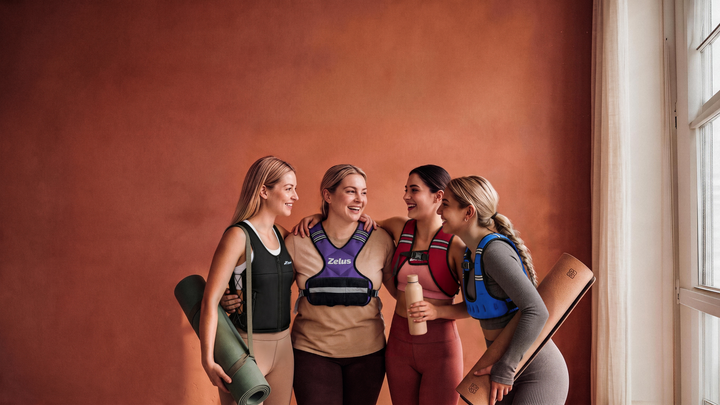
This limitation is precisely why weighted apparel has experienced a massive resurgence in functional training circles. By adding load directly to your torso, you challenge your body to move against greater resistance without restricting your arms, hands, or stride. If you want a hands-free tool that distributes weight evenly across your center of gravity, investing in a high-quality zelus weighted vest is one of the most practical upgrades you can make to your athletic toolkit.
Unlike holding a dumbbell while performing step-ups or lunges, a properly fitted resistance vest keeps the center of mass close to your spine and chest. This balanced load forces your deep core stabilizers, lower back, and transverse abdominis to stay activated throughout every single rep. Whether you are performing pull-ups on a doorway bar, pushing through a high-intensity interval training (HIIT) circuit, or simply walking uphill, the extra resistance forces your cardiovascular system and fast-twitch muscle fibers to work considerably harder.
What to Look for in Daily Training Gear
When selecting weighted gear for versatile home workouts, key features directly dictate your long-term success:
- Even Weight Distribution: Poorly designed vests allow the weights to drag downward, placing unnecessary shear force on your lower back. Look for front-and-back weight pocket alignment.
- Secure Fastening Systems: Double-stitched straps with heavy-duty velcro or quick-release buckles prevent the vest from bouncing, shifting, or hitting your chin during explosive movements like box jumps or burpees.
- Breathable, Durable Materials: High-grade neoprene or reinforced Oxford fabric ensures the vest withstands intense sweat, outdoor elements, and repeated friction without tearing or causing skin chafing.
Ultimately, breaking through a fitness plateau isn’t about completely reinventing your workout routine—it’s about making your existing movements more demanding. Adding wearable resistance allows you to compress your workout duration while simultaneously increasing your strength output, metabolic burn, and athletic endurance.
Feel free to contact Zelus for any information regarding weighted vests.


