
Home Workouts to Build Core Strength
A strong core is the foundation for overall physical fitness, stability, and posture. Core strength workouts are designed to engage the muscles of the abdomen, lower back, and pelvis, creating a resilient midsection that supports daily activity and athletic performance. With minimal equipment and a structured routine, it is possible to build strong abs from the comfort of home while enhancing functional strength.
The Importance of Core Strength
Core muscles serve as the central link between the upper and lower body. They stabilize the spine, improve balance, and facilitate efficient movement patterns. Strengthening this region not only enhances aesthetics but also prevents injury, improves posture, and supports mobility. Home-based core training home routines can effectively target these muscles, making strength development accessible to all fitness levels.
Engaging in regular core strength workouts improves the ability to perform daily tasks with ease. Lifting, bending, twisting, and reaching all depend on a strong midsection. By systematically strengthening these muscles, individuals create a foundation for strengthen midsection that benefits both functional movements and structured exercise regimens.
Structuring Your Core Workouts at Home
Efficiency is key when performing core training home routines. Short, targeted sessions are often more effective than prolonged, unfocused workouts. A well-structured routine should include a mix of isometric holds, dynamic movements, and rotational exercises to fully engage the abdominal muscles, obliques, and lower back.
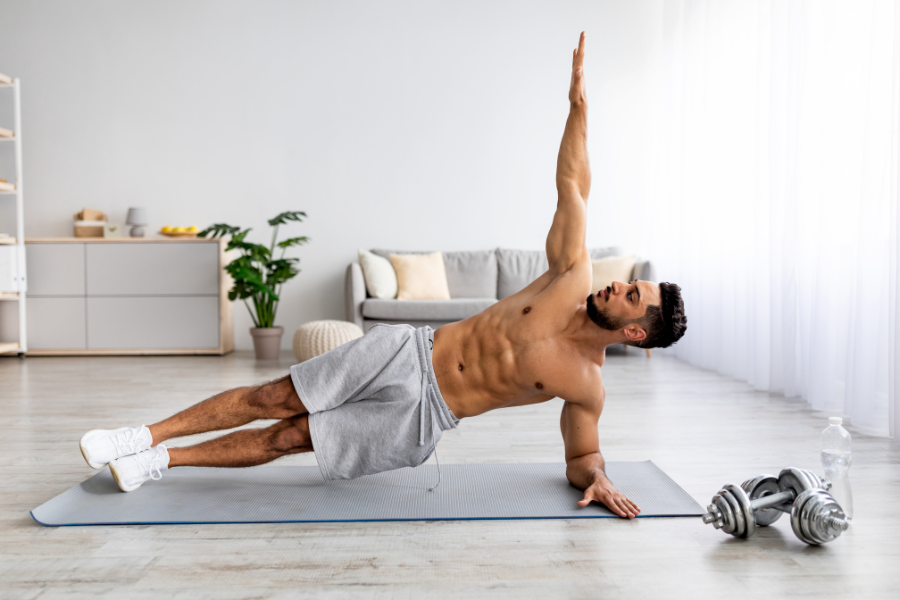
Examples of essential exercises include planks, side planks, bicycle crunches, leg raises, and Russian twists. These movements are versatile and require minimal space or equipment. Incorporating them into a sequence ensures that each session contributes meaningfully to the goal of build strong abs.
Isometric Core Training
Isometric exercises, such as planks and hollow holds, are fundamental in core strength workouts. Holding these positions engages multiple muscles simultaneously, improving endurance and stability. Isometric training strengthens the deep core muscles that support the spine, contributing to a resilient strengthen midsection over time.
Modifications can accommodate varying fitness levels. Beginners may start with forearm planks or knee-supported variations, while advanced practitioners can increase intensity by incorporating weight or performing side planks with leg lifts. These adjustments maintain progression while keeping the focus on core training home efficiency.
Dynamic Core Exercises
Dynamic movements enhance both strength and mobility. Exercises such as bicycle crunches, mountain climbers, flutter kicks, and reverse crunches promote muscular coordination, cardiovascular engagement, and calorie expenditure. Integrating dynamic exercises into core strength workouts ensures that the midsection is both strong and functional.
Performing movements in controlled intervals, alternating between high-intensity and moderate-intensity periods, maximizes engagement and supports build strong abs effectively. This combination of stability and motion prepares the body for real-life activities and other forms of exercise.
Rotational and Anti-Rotational Movements
Rotational core exercises, such as Russian twists or standing trunk rotations, target the obliques and improve spinal mobility. Anti-rotational movements, like Pallof presses, train the body to resist unwanted rotation, enhancing stability and functional strength. Both types of exercises are essential components of a comprehensive core training home plan.
These movements improve the ability to perform twisting and bending motions safely. By integrating rotational and anti-rotational exercises into routines, individuals can strengthen midsection effectively while preventing injuries related to poor core stability.
Incorporating Strength and Progression
Adding resistance through dumbbells, kettlebells, or resistance bands enhances the intensity of core strength workouts. Weighted exercises, such as weighted sit-ups or cable rotations, challenge the muscles further, promoting hypertrophy and definition. Progressive overload, achieved by increasing weight, repetitions, or duration, ensures continued gains and helps build strong abs over time.
Even without equipment, progression can be achieved by increasing hold times, repetitions, or complexity of movements. This adaptability makes core training home routines both scalable and sustainable for long-term success.
Recovery and Flexibility
Recovery is an integral part of core development. Adequate rest, stretching, and mobility work support muscle repair and prevent overuse injuries. Stretching exercises like cat-cow, seated twists, and cobra poses complement core strength workouts by enhancing flexibility and promoting spinal health.
Focusing on recovery ensures that each session contributes to functional strength rather than strain. Proper rest allows muscles to adapt, grow, and reinforce the benefits of strengthen midsection practices.
Building a resilient core at home is achievable with structured and intentional practice. Core strength workouts that combine isometric holds, dynamic movements, and rotational exercises create a strong, functional midsection.
By adhering to a consistent core training home routine, incorporating progression and resistance, and prioritizing recovery, individuals can build strong abs while enhancing balance, posture, and overall physical performance. A well-developed core provides the foundation for virtually every movement, making strengthen midsection a critical component of holistic fitness and long-term wellness.


